
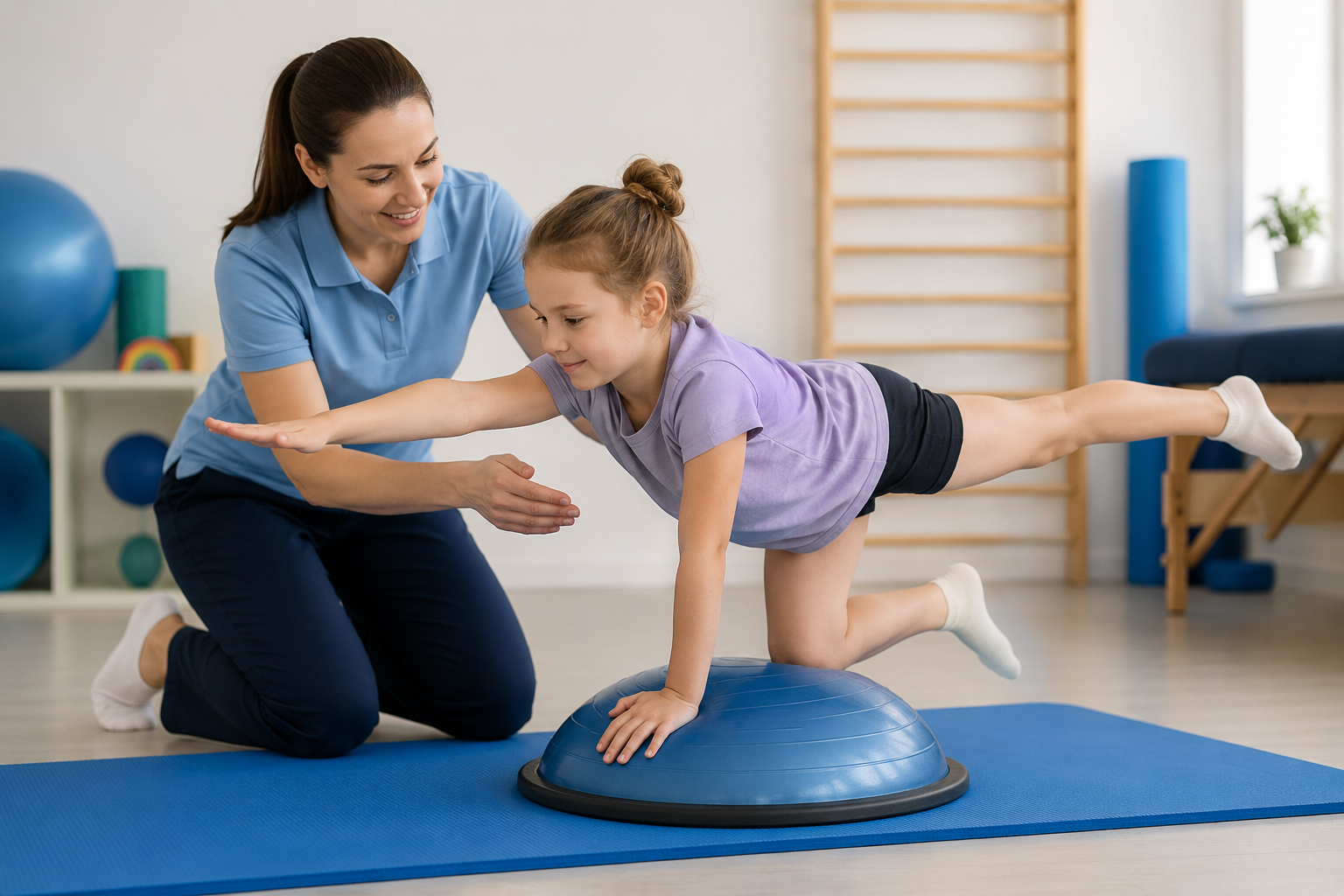
Hypermobility in Children: Building Strength and Stability Through Paediatric Physiotherapy
Does your child have very flexible joints? Learn about hypermobility in children — when it’s a concern, symptoms to watch for, and how mobile paediatric physiotherapy in Sydney builds strength and stability.
What Is Hypermobility?
Hypermobility means having joints that move beyond the typical range of motion — often described as being “double-jointed” or “very flexible.” While flexibility is generally celebrated in activities like gymnastics and dance, significant hypermobility can cause real difficulties for children in their daily lives.
Hypermobility is actually quite common in children — and many will never experience problems. But for some, excessive joint laxity without adequate strength and control leads to pain, fatigue, clumsiness, and difficulties with physical activities. This is where paediatric physiotherapy plays a vital role.
As mobile paediatric physiotherapists serving families across Sydney, we regularly help children with hypermobility build the strength, stability, and confidence they need to move freely and without pain.
Is Hypermobility Normal in Children?
Children are generally more flexible than adults — their connective tissue (the ligaments, tendons, and joint capsules that hold joints together) is naturally more pliable. This flexibility often decreases with age.
However, when hypermobility causes:
- Joint pain or aching after activity
- Fatigue — tiring much more quickly than peers
- Frequent joint sprains or injuries
- Clumsiness or coordination difficulties
- Avoidance of physical activity
- Difficulties with handwriting (hypermobile finger and wrist joints)
…then it requires assessment and active management.
What Causes Hypermobility?
Joint hypermobility is primarily influenced by genetics — the collagen and connective tissue properties that determine joint laxity are largely inherited. It often runs in families.
In most children, hypermobility is a benign variant — sometimes called Generalised Joint Hypermobility (GJH) or Hypermobility Spectrum Disorder (HSD). In a smaller group, hypermobility is associated with Hypermobile Ehlers-Danlos Syndrome (hEDS), a heritable connective tissue disorder that may involve additional features such as skin extensibility, chronic pain, and fatigue.
A thorough physiotherapy assessment will identify where on the spectrum your child sits and guide treatment accordingly.
How Does Hypermobility Affect Children Day to Day?
The impact of hypermobility varies widely from child to child. Common challenges include:
Physical
- Joint pain — particularly in the knees, ankles, hips, and wrists
- Muscle aches, especially after activity
- Flat feet (hypermobile foot joints are a common contributor)
- Toe walking or gait abnormalities
- Poor posture — the body struggles to hold itself upright without strong muscles to compensate for loose ligaments
Motor Skills
- Difficulty with fine motor tasks — writing, buttoning, scissors
- Poor balance and coordination
- Delayed motor milestones in younger children
- Difficulty with sports requiring stability and control
Participation and Wellbeing
- Avoiding sports or physical play due to pain or fear of injury
- Falling behind peers physically
- Impact on self-confidence
How Is Hypermobility Assessed?
Our assessment begins with a full movement evaluation — assessing joint range of motion, muscle strength, postural control, balance, and functional movement. We use the Beighton Score, a validated tool for identifying generalised hypermobility, alongside broader assessment of how hypermobility is affecting your child’s daily function.
We also take a detailed history including:
- Family history of hypermobility or connective tissue conditions
- Pattern of pain — when it occurs, which joints, how long it lasts
- Functional impacts — school, sport, handwriting, sleep
- Any previous sprains, dislocations, or injuries
How Does Physiotherapy Treat Hypermobility?
The cornerstone of hypermobility management is building strength, stability, and control — compensating for what the ligaments can’t provide. This is not about restricting movement; it’s about giving the body the muscular support it needs to move safely and efficiently.
Targeted Strengthening
We prescribe progressive, specific strengthening exercises focused on the muscles around hypermobile joints — particularly deep stabilisers that provide joint control. This is delivered through fun, age-appropriate activities and play.
Proprioception Training
Proprioception is the body’s sense of where it is in space — often impaired in hypermobile children. Balance activities, unstable surface training, and coordination challenges help retrain this sense, reducing injury risk.
Postural Training
Poor posture is common in hypermobile children as their bodies “collapse” into end-range positions. We work on core strength, postural endurance, and practical strategies for sitting, standing, and carrying.
Activity Guidance
Not all activities are equal for hypermobile children. We provide evidence-based advice on which sports and activities are most beneficial, how to warm up and cool down safely, and when to rest.
School and Home Strategies
For children with handwriting difficulties or fatigue, we provide practical strategies for the classroom and home — including pencil grip aids, seating recommendations, and activity pacing.
What Sports Are Safe for Hypermobile Children?
Many hypermobile children participate in and enjoy sport. The key is appropriate load management and strength preparation. Generally:
- Swimming — excellent, provides muscle strengthening without joint impact
- Cycling — generally well-tolerated
- Martial arts — good for proprioception and strength
- High-impact sports (football, netball, gymnastics at high levels) — may require additional preparation and monitoring
We’ll provide personalised advice based on your child’s specific presentation and goals.
Mobile Paediatric Physiotherapy for Hypermobility in Sydney
We come to you — assessing and treating your child in your home, school, or community setting across Sydney. This is particularly valuable for hypermobile children who may find travel painful or fatiguing.
Frequently Asked Questions
Will my child grow out of hypermobility? Many children become less hypermobile as they grow and their connective tissue matures. However, the functional challenges — pain, weakness, poor coordination — often persist without active management. Building strength now sets them up for the long term.
Should my child stop sport if they have hypermobility? Generally, no. Staying active and building strength is beneficial. The key is ensuring the right type of activity and appropriate management.
My child is very flexible and seems fine — should I still see a physio? If there are no symptoms and no functional impact, a routine review may be all that’s needed. If you have any concerns — especially around pain, coordination, or fatigue — an assessment is worthwhile.
Can hypermobility affect school performance? Yes. Handwriting difficulties, fatigue, difficulty sitting for long periods, and pain can all affect concentration and school participation. Physiotherapy can provide targeted strategies to support school success.
Book a Home Visit in Sydney
Our mobile paediatric physiotherapists understand hypermobility and the specific challenges it creates for children and families. We’ll create a practical, enjoyable program that builds your child’s strength and confidence.
📞 Call us or book online for a home visit anywhere in Sydney.
Strong joints. Confident kids. Expert mobile physio.